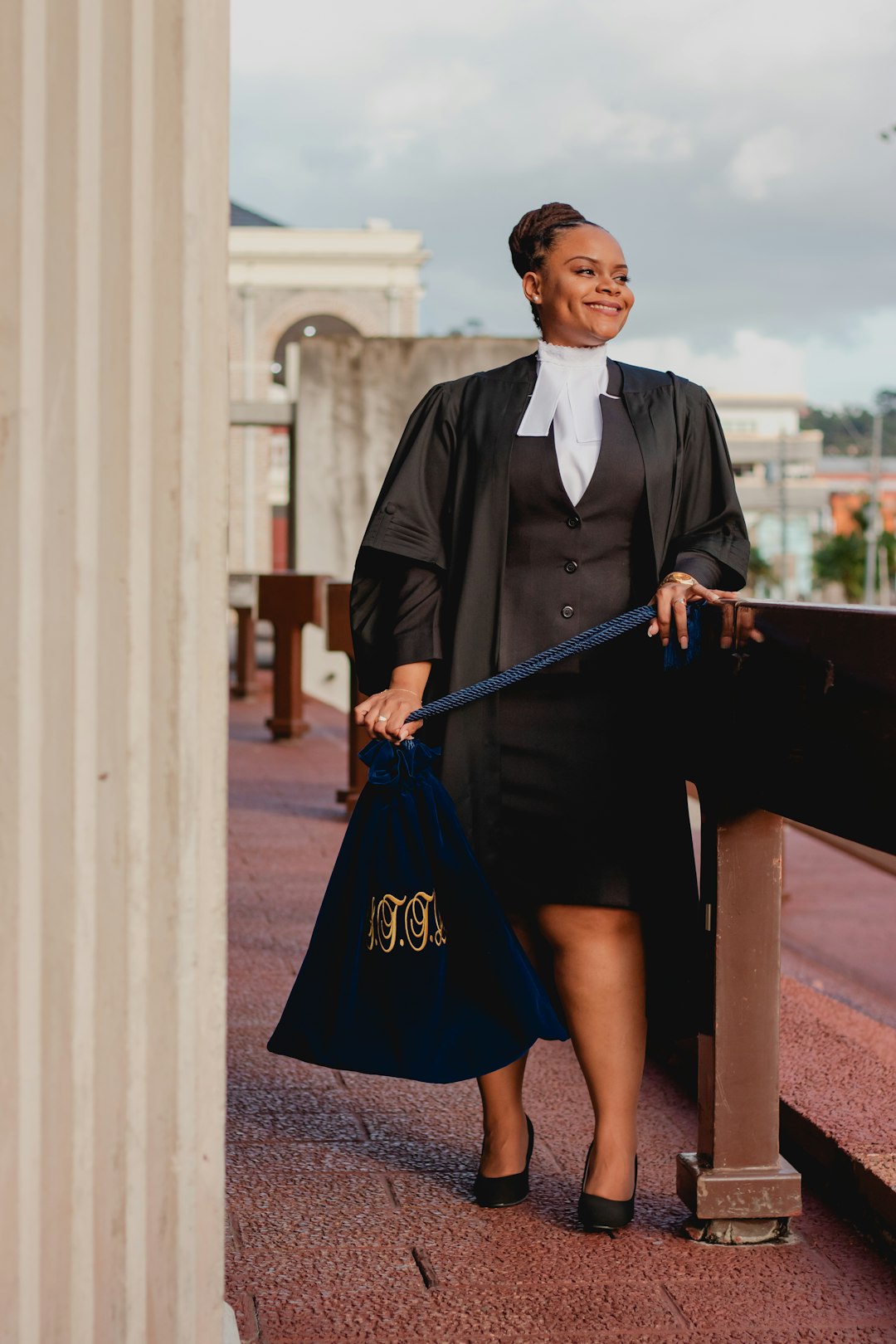
Churches in Augusta, Georgia, significantly aid sexual assault survivors through partnerships with rape law firms Georgia, providing spiritual support and practical assistance. Interfaith initiatives educate the community, reduce stigma, and offer resources like transportation and legal advocacy. Key strategies include trained facilitators for support groups, consent education workshops, and integrated healing practices. This holistic approach empowers survivors, fosters resilience, and ensures justice within the Augusta community.
In Augusta, Georgia, like many communities across the nation, survivors of sexual assault face significant challenges navigating a complex landscape of legal protections and emotional recovery. With one in three women facing sexual violence in their lifetime, according to the National Sexual Assault Hotline, it’s crucial for institutions like churches to play an active role in supporting these individuals. This article explores practical ways that churches can offer safe spaces, provide resources, and advocate for survivors, especially through partnerships with reputable rape law firms Georgia has to offer, ensuring comprehensive assistance for those who have endured such traumatic experiences.
Understanding the Impact: Support for Survivors in Augusta

Churches play a vital role in fostering support systems for survivors of sexual assault within their communities, including Augusta, Georgia. Understanding the impact of such traumatic experiences is crucial to providing effective assistance. Many survivors seek solace and healing in spiritual spaces, making churches key allies in this process. A rape law firm in Georgia highlights the significance of these partnerships, emphasizing that support from faith-based organizations can significantly enhance recovery outcomes.
In Augusta, where diverse religious communities exist side by side, a collaborative approach can create a robust safety net for survivors. For instance, interfaith initiatives could involve organizing awareness campaigns, educational workshops, and support groups tailored to the unique needs of each group. These activities not only educate the community about sexual violence but also encourage open conversations, reducing the stigma often associated with survivors. By providing safe spaces for sharing experiences, churches can facilitate emotional healing and empower survivors to take control of their lives again.
Practical steps include training church leaders and volunteers on recognizing signs of trauma, consent education, and crisis intervention techniques. Collaborating with local rape law firms in Georgia ensures that survivors have access to legal advocacy and support services. Additionally, churches can offer practical assistance like transportation to medical or legal appointments, childcare during support group sessions, and even temporary housing for those in need. Such comprehensive support networks demonstrate a commitment to the well-being of survivors, ensuring they receive holistic care.
Legal Assistance: Partnering with Rape Law Firm Georgia

Churches play a vital role in supporting survivors of sexual assault, offering not just emotional but also practical assistance. In Augusta, Georgia, faith-based communities can significantly contribute to the healing process by partnering with specialized legal entities, such as rape law firms in Georgia. These collaborations ensure that survivors receive comprehensive care, including legal advocacy, which is often overlooked yet critical for long-term recovery.
One of the primary challenges faced by sexual assault survivors is navigating complex legal procedures while dealing with emotional trauma. A rape law firm Georgia offers expertise in handling various legal aspects, from criminal proceedings to civil lawsuits, ensuring that survivors’ rights are protected. By establishing partnerships with such firms, churches can facilitate access to justice for affected individuals. For instance, a local church could collaborate with an established rape law firm to provide a dedicated legal hotline or support group, offering guidance and representation tailored to the unique needs of survivors within their community.
Statistics highlight the significance of these efforts: According to recent reports, many sexual assault cases in Georgia go unreported due to fear, stigma, and lack of legal awareness. By providing legal education and direct assistance through partnerships with rape law firms, churches can empower survivors to take control of their healing journey. This collaborative approach not only ensures that victims receive the justice they deserve but also fosters a culture of support and resilience within the Augusta community.
Community Healing: Strategies for Church Engagement and Care

Churches play a pivotal role in community healing and support for survivors of sexual violence. In Augusta, Georgia, where a rape law firm has been advocating for stronger legal protections, churches can offer safe spaces, emotional support, and practical assistance to those affected by trauma. Engaging the community through holistic care strategies is essential to fostering recovery and resilience among survivors.
One effective approach is to create support groups led by trained facilitators within church settings. These groups provide a sense of belonging and understanding, allowing individuals to share their experiences without fear of judgment. By educating congregants on resources available for survivors, such as legal aid from a rape law firm in Georgia, churches can empower them to offer tangible help. Additionally, partnering with local organizations specializing in sexual assault services ensures that the church community is equipped to refer survivors to specialized care and advocacy.
Community healing requires a multi-faceted approach. Churches can organize educational workshops to raise awareness about consent, healthy relationships, and prevention strategies. These initiatives not only empower survivors but also help to shift cultural attitudes towards sexual violence. By integrating healing practices into existing church programs, such as youth ministry or community outreach, churches in Augusta can create a supportive ecosystem that extends beyond traditional worship services. This holistic engagement has the potential to make a significant impact on the well-being of survivors and contribute to a safer, more supportive community for all.